Career Path, Training, and Job Opportunities
Skilled trades are the backbone of Canada’s economy, and welding stands out as one of the most in-demand and rewarding career paths. If you are searching for how to become a welder in Canada, this guide outlines the training, certification, and career opportunities available nationwide. From building infrastructure and ships to supporting energy, manufacturing, and aerospace industries, welders play a critical role nationwide. If you’re considering a hands-on, stable career with strong earning potential, welding may be the right fit.
What Does a Welder Do? (Welding Career Overview)
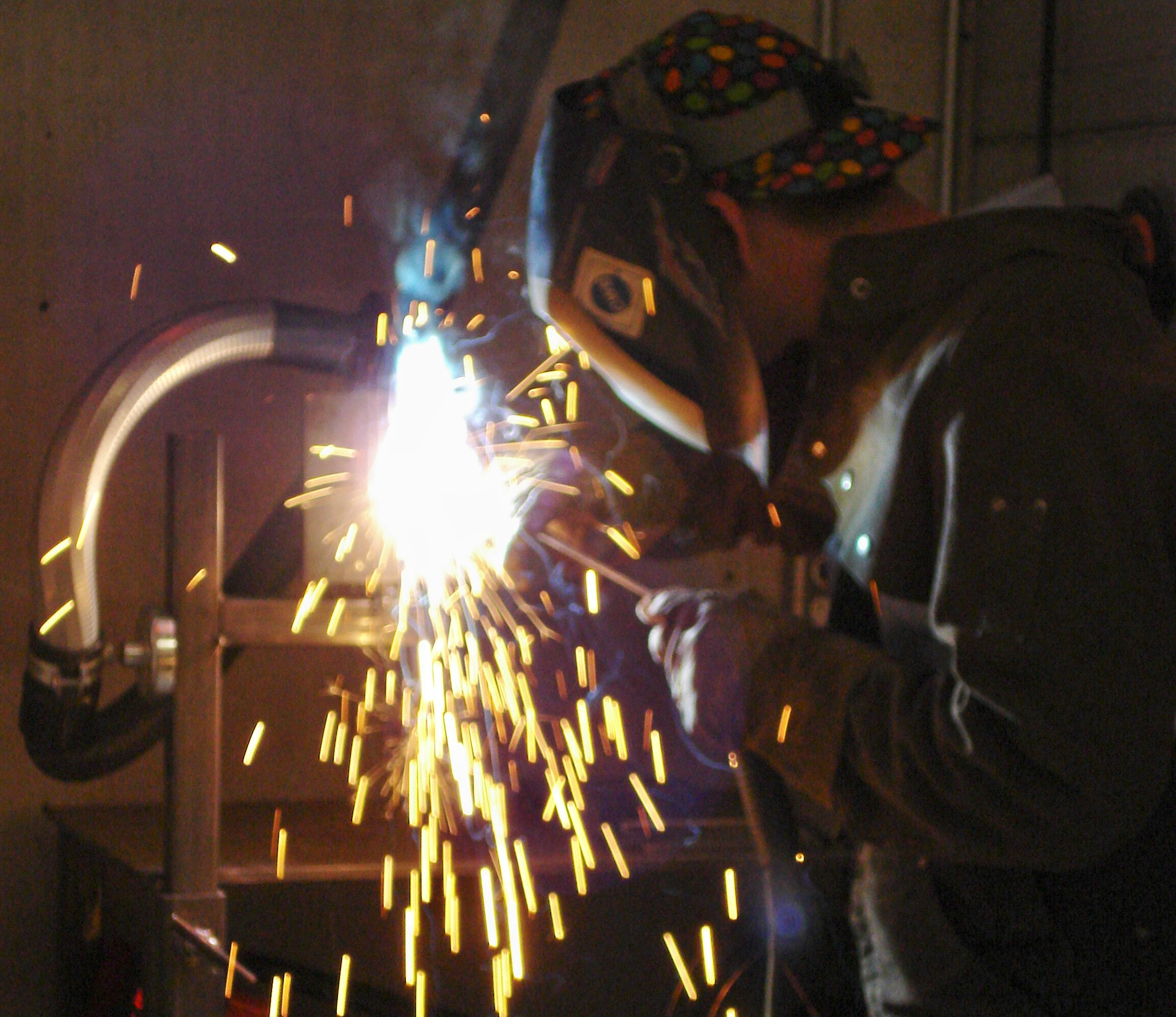
Welders join metal parts using heat, pressure, or both. Their work appears everywhere—bridges, pipelines, vehicles, buildings, and industrial equipment. Depending on the industry, welders may specialize in techniques such as MIG, TIG, stick welding, or flux-cored arc welding, working with steel, aluminum, or other alloys.
How to Become a Welder in Canada: Step-by-Step Guide
1. Meet Basic Welding Requirements in Canada
Most welding programs require a high school diploma or equivalent. Strong math skills, good hand–eye coordination, and physical stamina are helpful. Many successful welders also enjoy problem-solving and working with precision tools.
2. Complete a Welding Program or Trade School
Aspiring welders typically begin with a college, technical institute, or trade school program. These programs combine classroom learning with hands-on shop experience, teaching safety practices, blueprint reading, metallurgy, and welding techniques.
Programs can range from a few months to two years, depending on the level of certification.
3. Welding Apprenticeship and On-the-Job Training
Many welders enter an apprenticeship, which allows them to earn while they learn. Apprenticeships usually last two to three years and include paid work experience alongside technical training.
4. Welding Certification and Red Seal Endorsement
There are four basic welding job paths. 1. Hobby or “Farm” Welding. This is someone who enjoys welding or uses it for their personal needs. Maybe learned from a family friend or parent. 2. Manufacturer Welding; these welders often do not require a third-party qualification, but may require some type of confirmation of welding ability, and often, a job performance test is part of the initial interview. 3. CWB or CSA W47.1/W59 Structural Steel Welding. This is an individual who works for a company that performs structural steel welding. This is a requirement, and each welder must perform a welder qualification test. This qualification is valid across Canada. 4. ASME Pressure Welder. This is an individual who has completed the required number of welding hours, completed a written component, and then performed a pipe welding qualification test. This qualification is provincially regulated. A welder can apply to transfer their qualifications interprovincially.
5. Advanced Welding Skills and Continuous Training
Welding technology evolves constantly. Many professionals continue training to gain advanced certifications, specialize in high-demand welding processes, or move into inspection, supervision, or teaching roles.
Welding Jobs and Career Opportunities in Canada
High Demand for Welders in Canada
Canada continues to face a skilled trades shortage, and welding is consistently listed as an in-demand occupation. Infrastructure projects, shipbuilding, renewable energy, and industrial maintenance all rely heavily on qualified welders.
Welder Salary and Earning Potential in Canada
Welders in Canada can earn solid wages, with pay increasing alongside experience, specialization, and certifications. Those working in remote locations, industrial shutdowns, or specialized fields often earn premium rates.
Career Flexibility Across Industries
Welding offers diverse career paths. Welders can work in shops, on construction sites, underwater, or in high-tech manufacturing facilities. Some choose to travel for work, while others build long-term careers with local employers.
Career Growth and Advancement Opportunities
With experience, welders can advance into roles such as welding inspector, foreperson, supervisor, or quality control specialist. Others start their own businesses or transition into related trades, such as metal fabrication or machining.
Welding Careers for Newcomers to Canada
Welding is also a strong career option for newcomers to Canada. Many provinces recognize international experience, and bridging programs can help skilled immigrants meet Canadian certification standards.
Is Welding a Good Career Choice in Canada?
Welding is ideal for individuals who enjoy hands-on work, take pride in craftsmanship, and want a career with long-term stability. It requires focus, safety awareness, and a willingness to learn—but rewards those efforts with job security and growth potential.
Final Thoughts: Is Welding a Good Career in Canada?
Becoming a welder in Canada is more than learning a trade—it’s entering a career with national demand, strong earning potential, and opportunities to grow. As Canada continues to build, repair, and innovate, skilled welders will remain essential to the country’s future.
If you’re looking for a practical career with real impact, welding may be the spark that ignites your professional journey.