
CSA W59 Inspection:
CSA W59 Inspection: Understanding Static vs Cyclic Loading and the Critical Link to CSA S16
In welded steel construction, not all welds are created equal. One of the most common sources of inspection errors in the field is applying the same acceptance criteria to every weld—regardless of how the structure is loaded.
CSA W59 clearly distinguishes between statically loaded and cyclically loaded structures, and this distinction is directly tied to the fatigue design provisions of CSA S16. For inspectors, understanding this relationship is essential to making correct acceptance decisions and preventing long-term structural issues.
Why Loading Classification Matters to Inspectors
From an inspection standpoint, the key question is simple:
Is this weld governed by strength, or by fatigue?
-
- CSA S16 answers this by identifying whether fatigue applies and classifying fatigue-critical details.
-
- CSA W59 then sets the required weld quality, workmanship, and inspection level based on that fatigue demand.
If fatigue governs, inspection expectations increase—sometimes significantly.
Statically Loaded Structures: Inspection Perspective
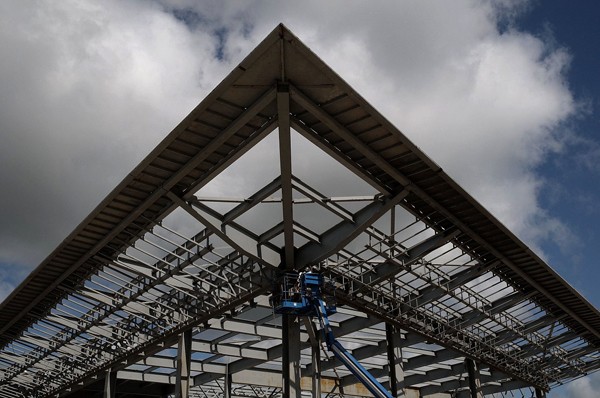
What “Statically Loaded” Means
Statically loaded structures experience:
-
- Predominantly constant or slowly varying loads
-
- Insignificant stress ranges from a fatigue standpoint
Typical examples include:
-
- Buildings
-
- Platforms
-
- Industrial frames
-
- Equipment supports
Inspection Focus
For statically loaded structures, inspection is strength-based:
-
- Confirm weld size, length, and continuity
-
- Verify compliance with WPS and welder qualifications
-
- Identify defects that could reduce load-carrying capacity
Inspection Methods
-
- Visual inspection (VT) is primary
-
- NDT is generally limited unless specified by contract or engineer
Acceptance Philosophy
CSA W59 allows:
-
- Normal weld profiles
-
- Limited undercut, reinforcement, or overlap within standard limits
-
- Less restrictive weld terminations
Fatigue cracking is not expected, so minor surface irregularities are typically acceptable if strength is not compromised.
Cyclically Loaded Structures: Inspection Perspective
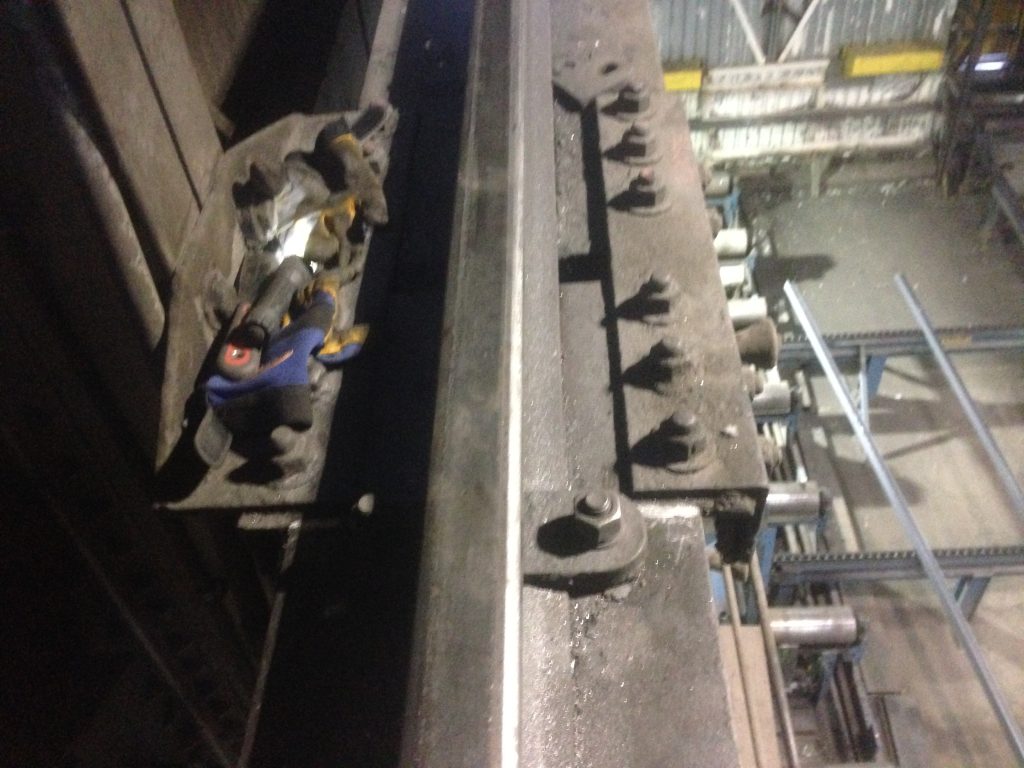
What “Cyclically Loaded” Means
Cyclically loaded structures are subjected to:
-
- Repeated or fluctuating stresses
-
- Stress ranges that can initiate fatigue cracking over time
Typical examples include:
-
- Bridges
-
- Crane-supporting structures
-
- Sign and signal structures
-
- Towers and offshore structures
The CSA S16 Connection: Fatigue Governs Everything
CSA S16 Clause 26:
-
- Defines fatigue design requirements
-
- Classifies welded details into fatigue categories
-
- Establishes allowable stress ranges and fatigue life
Once CSA S16 identifies a detail as fatigue-critical, CSA W59 requires:
-
- Higher weld quality
-
- Tighter acceptance criteria
-
- Increased inspection scrutiny
In short:
If CSA S16 fatigue provisions apply, standard “static” inspection is not enough.
CSA W59 Requirements for Cyclically Loaded Structures
Weld Quality Expectations
Inspectors must verify:
-
- Smooth weld profiles
-
- Proper blending into the base metal
-
- Controlled starts, stops, and terminations
-
- Absence of abrupt geometry changes
Discontinuity Control
Much stricter limits apply to:
-
- Undercut
-
- Overlap
-
- Excess reinforcement
-
- Surface irregularities
-
- Internal flaws
Discontinuities that may be acceptable in static structures can be rejectable in fatigue-critical welds.
Inspection Methods for Fatigue-Critical Welds
Inspection is typically enhanced and may include:
-
- Detailed visual inspection (VT)
-
- Magnetic Particle Testing (MT) for surface cracks
-
- Ultrasonic Testing (UT) for internal discontinuities
-
- Radiography (RT) where specified
Inspection scope is often targeted specifically at fatigue-critical details identified during design.
A Practical Inspection Decision Flow
-
- Confirm the loading classification
-
- Is fatigue considered under CSA S16?
-
- Confirm the loading classification
-
- Identify fatigue-critical welds
-
- Attachments, transverse welds, stiffeners, terminations
-
- Identify fatigue-critical welds
-
- Apply the correct CSA W59 acceptance criteria
-
- Static vs cyclic requirements
-
- Apply the correct CSA W59 acceptance criteria
-
- Select appropriate inspection methods
-
- VT only, or VT plus NDT
-
- Select appropriate inspection methods
-
- Document findings clearly
-
- Weld ID, location, inspection method, acceptance basis
-
- Document findings clearly
Key Takeaway for Inspectors
-
- CSA S16 tells you where fatigue matters
-
- CSA W59 tells you the acceptance criteria
-
- Applying static acceptance criteria to fatigue-critical welds is a serious inspection error that can lead to premature cracking and structural failure
Understanding this link isn’t just good practice—it’s essential for public safety and long-term durability.