
The Most Common Welding Defects (and How to Prevent Them)
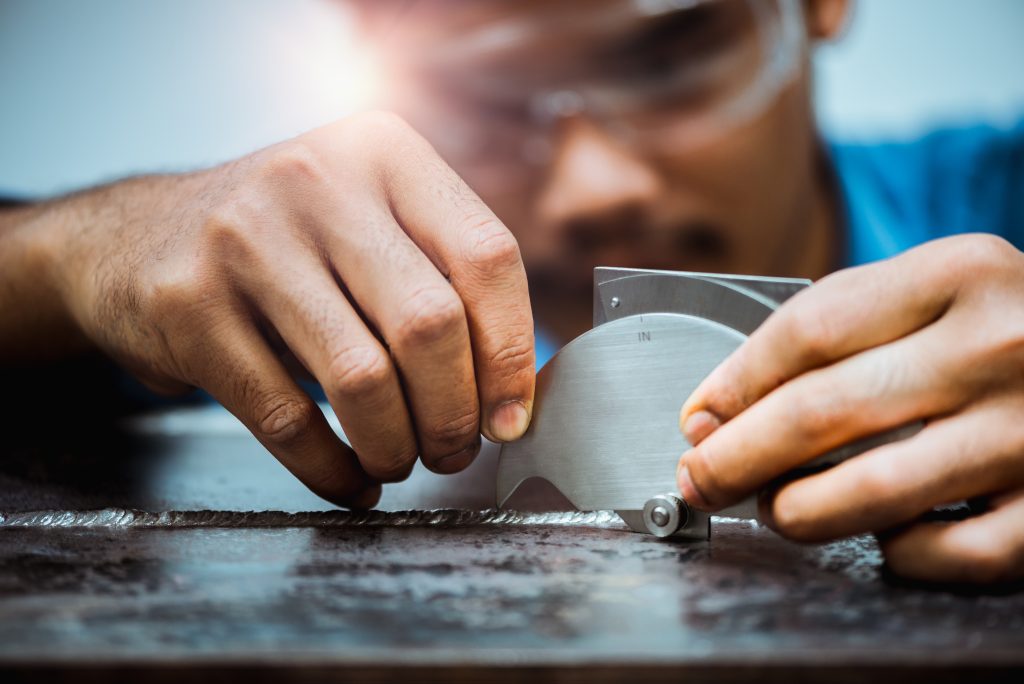
Welding defects are one of the most common quality issues encountered on industrial and infrastructure projects. Left undetected, these defects can lead to structural weakness, costly rework, project delays, and long-term reliability concerns.
The challenge is that weld quality problems rarely appear at a convenient stage of a project. Issues often surface during fit-up, final inspection, load testing, or after components are already in service. A defect that appears minor in the shop can quickly become a costly problem once fabrication progresses or structures are erected.
Maintaining weld quality requires more than qualified welders and approved procedures alone. Production pressure, joint preparation, environmental conditions, consumable handling, and fit-up all influence the final result.
This is where consistent inspection and QA/QC oversight become critical.
Common welding defects covered
This article examines:
- Porosity
- Cracking
- Lack of Fusion
- Common field causes
- Prevention strategies
- The role of inspection and QA/QC oversight
WHY WELDING DEFECTS MATTER
Weld integrity directly impacts the performance and reliability of structural steel, piping systems, pressure vessels, and other critical infrastructure components.
Even relatively small discontinuities can compromise structural performance if they are not identified and corrected early.
In many cases, weld quality issues are not caused by a single failure alone. They often result from a combination of:
- Improper welding parameters
- Inconsistent technique
- Poor surface preparation
- Environmental exposure
- Inadequate inspection oversight
On active industrial projects, these issues can escalate quickly when schedules tighten and production pressure increases.
That is why experienced inspection support remains essential throughout fabrication and construction.
Porosity: a common shop and field problem
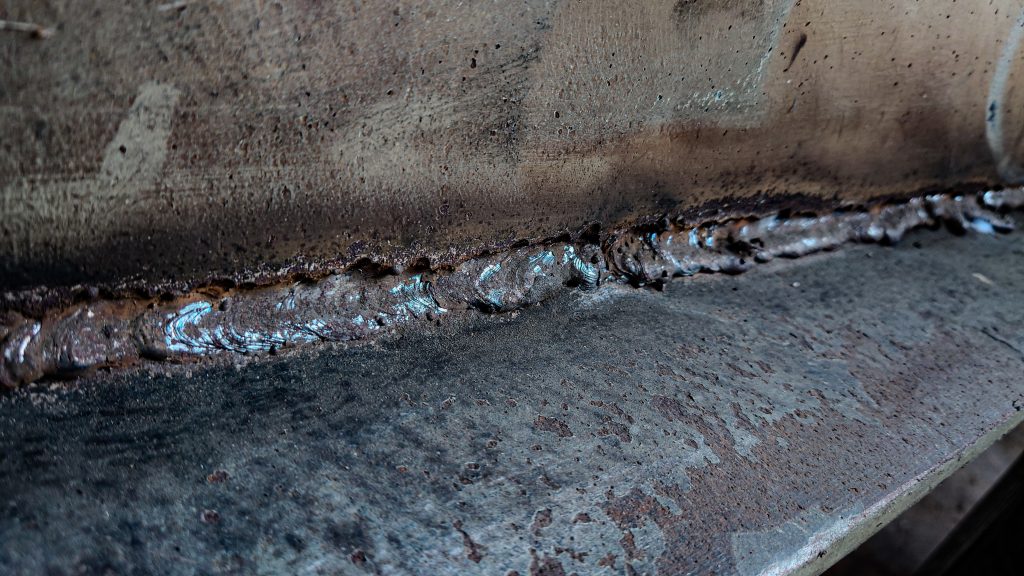
Porosity occurs when gas becomes trapped in the weld pool during solidification, leaving behind small holes or voids within the weld.
In practice, porosity often appears when crews are moving quickly, preparation is inconsistent, or field conditions change throughout the day.
A single isolated pore may not always require repair depending on code requirements and acceptance criteria. Repeated or clustered porosity is different. It reduces effective weld cross-section, increases reject rates, and often points to a larger process-control issue rather than an isolated welder error.
COMMON CAUSES
- Moisture contamination
- Oil, grease, rust, or paint on material surfaces
- Inadequate shielding gas coverage
- Poor consumable storage
- Wind exposure during field welding
In many field environments, porosity is ultimately traced back to preparation and environmental control issues that were overlooked during production.
PREVENTION STRATEGIES
- Clean weld areas thoroughly before welding begins
- Protect welding operations from wind and moisture exposure
- Store filler metals and low-hydrogen electrodes correctly
- Verify shielding gas flow rates and equipment condition regularly
CRACKING: THE DEFECT THAT CONNOT BE IGNORED
Cracking is one of the highest-risk weld defects because it directly threatens structural integrity and often indicates deeper issues related to heat control, material condition, restraint, or hydrogen management.
Unlike some discontinuities that may be evaluated against acceptance criteria, cracks are typically rejectable and require immediate attention.
One of the biggest challenges with cracking is timing. Cracks are often discovered after welding appears complete, sometimes after downstream work has already progressed. At that point, repairs become significantly more disruptive and costly.
Common Causes
- Hydrogen contamination
- Improper preheat control
- Rapid cooling
- Excessive restraint
- Improper weld sequencing
- Incomplete crater filling
In real fabrication environments, cracking rarely results from a single issue alone. It is usually caused by several small control failures occurring simultaneously.
Prevention Strategies
- Maintain strict low-hydrogen consumable handling procedures
- Apply and verify proper preheat and interpass temperatures
- Reduce restraint where possible through proper fit-up and sequencing
- Inspect starts, stops, and root areas carefully during production
LACK OF FUSION: OFTEN HIDDEN UNTIL NDT
Lack of fusion (LOF) occurs when weld metal fails to properly bond to the base material or previous weld passes.
This is one of the more serious welding defects because the weld may appear acceptable visually while containing internal discontinuities that compromise strength and performance.
In production environments, lack of fusion is frequently discovered during ultrasonic or radiographic testing rather than during basic visual inspection.
The issue is especially common in:
- Heavy sections
- Multi-pass welds
- Restricted-access joints
- High-production environments where travel speed or deposition rates become excessive
COMMON CAUSES
- Low heat input
- Excessive travel speed
- Poor weld manipulation
- Improper bevel preparation
- Slag or oxide contamination
- Restricted joint access
In many cases, lack of fusion develops when approved welding procedures do not align with actual field conditions or production realities.
PREVENTION STRATEGIES
- Use realistic welding parameters for the joint configuration
- Maintain proper bevel angles and root openings
- Clean thoroughly between weld passes
- Monitor heat input and travel speed consistently
- Verify weld quality through NDT where required
THE ROLE OF INSPECTION IN PREVENTION
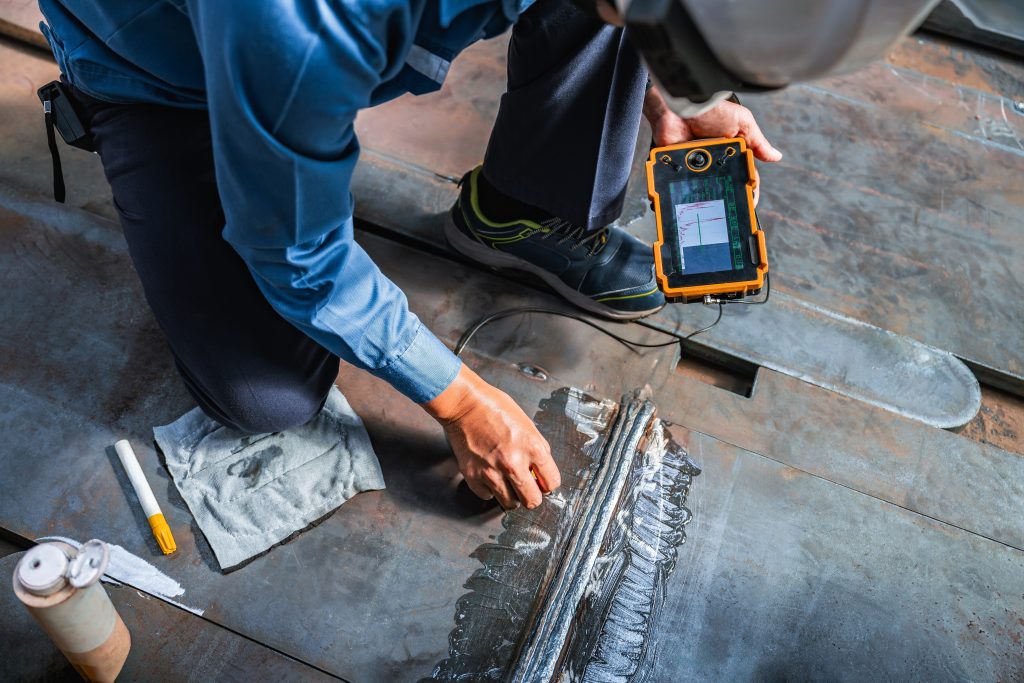
Welder skill is important, but defect prevention is often a control issue rather than a workmanship issue alone.
As schedules tighten and production demands increase, inspection processes can become compressed. Preheat verification may be skipped, weld preparation standards may vary between shifts, and recurring quality issues can begin developing unnoticed.
Strong inspection programs provide oversight at the points where projects are most likely to lose consistency.
Effective QA/QC inspection programs help ensure:
- Welding procedures are followed correctly
- Materials meet project requirements
- Welders remain properly qualified
- Defects are identified before production advances
- Quality standards remain consistent across the project
Inspection is not simply about finding problems after they occur.
It is about preventing small issues from becoming major project risks.
THE AXIS APPROACH TO QUALITY
At AXIS, inspection support is built around practical field experience and consistent oversight.
We work with experienced inspectors and technicians who understand the realities of structural steel, welding, coatings, and industrial fabrication environments.
Our focus is straightforward:
Helping projects maintain quality, accountability, and consistency from start to finish.
Strong inspection programs are not about slowing projects down. They are about identifying issues early, maintaining standards, and reducing long-term risk before problems escalate.
KEY TAKEAWAYS
- Many welding defects begin with process-control failures rather than isolated workmanship issues
- Cracking often points to larger problems involving hydrogen control, restraint, or heat management
- Some defects, including lack of fusion, may remain hidden until advanced testing is performed
- Consistent inspection oversight helps identify issues early before they become larger repair trends
- Strong QA/QC programs improve accountability, consistency, and long-term project quality
FINAL THOUGHTS
Welding defects are a reality within industrial fabrication and construction, but the long-term impact of those defects depends heavily on the quality of the inspection process supporting the work.
Experienced inspectors, consistent oversight, and proactive QA/QC programs play a critical role in protecting schedules, reducing rework, and maintaining long-term structural integrity.
At AXIS, we provide inspection support designed to help projects maintain quality, accountability, and consistency throughout every stage of the work.
Contact AXIS for inspection support on your next project.
With you on every project.